


The question of the privatisation of Talete and of the water service in the Viterbo area is current and still unresolved (see the Osservatorio article here). Important figures are pushing for it: Salvatore Genova (president of Talete) and Alessandro Romoli (president of the province and of ATO 1) want to sell 40% of the shares to private individuals, to solve their serious financial problems.
This step was prepared at the Talete shareholders’ meeting, which amended the statutes to allow private individuals to join the company (see here).
Tarquinia, Viterbo, Monte Romano, Soriano nel Cimino, Vasanello and Sutri have decided to challenge this decision (see here).
Those who favour privatisation promise significant benefits, ie: immediate cash inflow, extensive cooperation with other private companies, savings in management, and improvement in the efficiency, effectiveness and profitability of the service.
The main purpose of private investors, however, is to obtain substantial profits from the management of the drinking water supply, taking little account of the social and environmental costs of their actions. In many places the following negative consequences have been observed:
- drastic increase in tariffs
- deterioration of drinking water and the environment
- degradation of infrastructures for purification and distribution of drinking water
- deterioration of services
- increased unemployment in the sector due to the use of cheap, unskilled labour
- lack of transparency and public participation
Not to mention the main and fundamental point: it is a question here of alienating a common good of vital importance to make it a commodity.
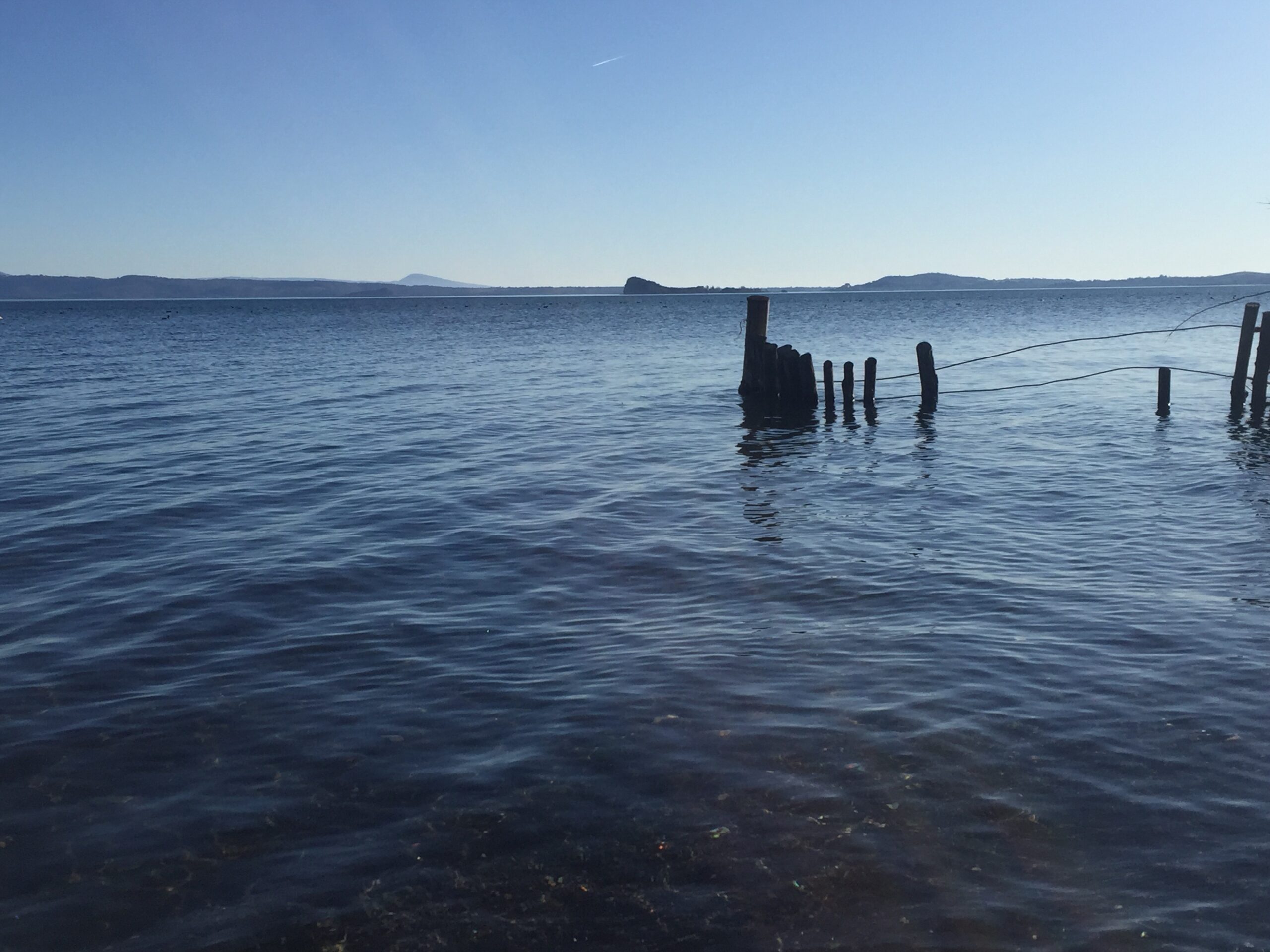
The negative example of ACEA’s management of Rome’s water with the drastic lowering of the level of Lake Bracciano and losses from the network of about 40% of the water supply teach us about the reality of these consequences. Also, in the province of Frosinone, a sharp increase in tariffs without the promised renewal of infrastructure. There are also many such examples abroad, the worst in London and Manila.
On the other hand, many examples from Italy and abroad show that complete or largely public management by the public sector is able to ensure a good and cost-effective water supply: it will be inevitable, for anyone who manages the water service, to gradually bring the tariffs closer to this right price.
We believe that a step as critical in many respects as the privatisation of water cannot be carried out without properly informing the public, without transparency, without involving the population in the decision, without seriously examining alternative solutions, and also without taking into account the fact that the water that one wants to privatise is at the heart of a Natura 2000 protected area.

